

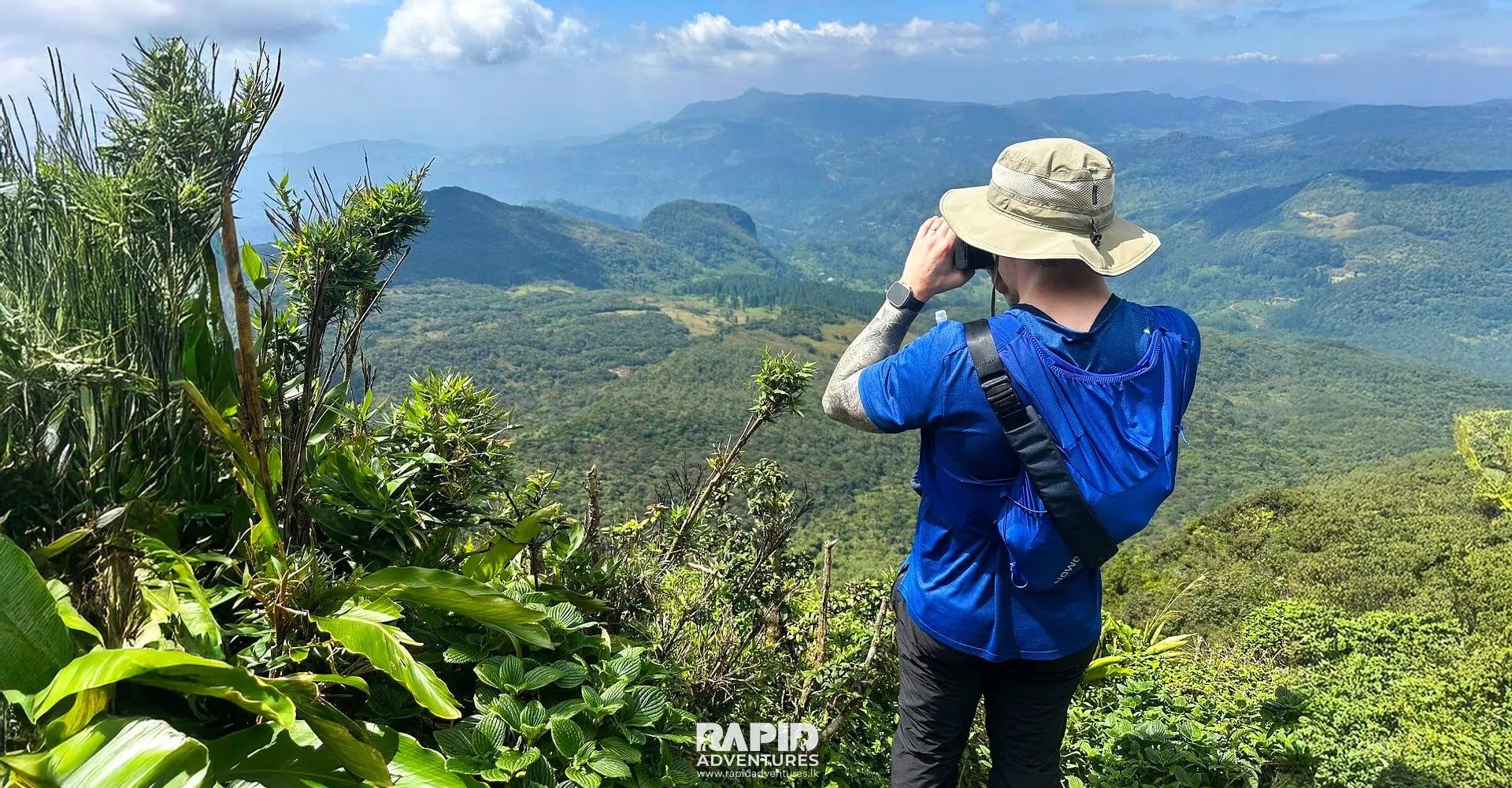
If you only remember five things
Shoes with real grip. A light rain jacket. Long trousers and leech socks. A warm layer for the evening. And a small bag, light enough that you can climb with both hands free. Everything else on this list makes the trip more comfortable. Those five decide whether you enjoy it.
Most people overpack for the Knuckles in the wrong ways. They bring jeans, a big camera bag and three cotton t-shirts, then forget a rain jacket because "it's the dry season."
The range is wet, steep and changes fast. One hour you're in full sun on open rock, the next you're walking through cloud with water dripping off the ferns. Packing for the Knuckles is mostly about staying dry, keeping your footing and not carrying more than you need.
Below is the list we'd give a friend. There's a checklist you can tick off as you pack (it saves on your phone), and a proper section on leeches, because that's what everyone really wants to know about.
Before you start stuffing your bag, here's what's normally included on our hikes, so you don't need to bring it:
Exact inclusions differ a little between tours, so check the page for the trip you're booking, or just ask us.
Tap each item as you pack it. Your ticks are saved on this device, so you can come back to it later.
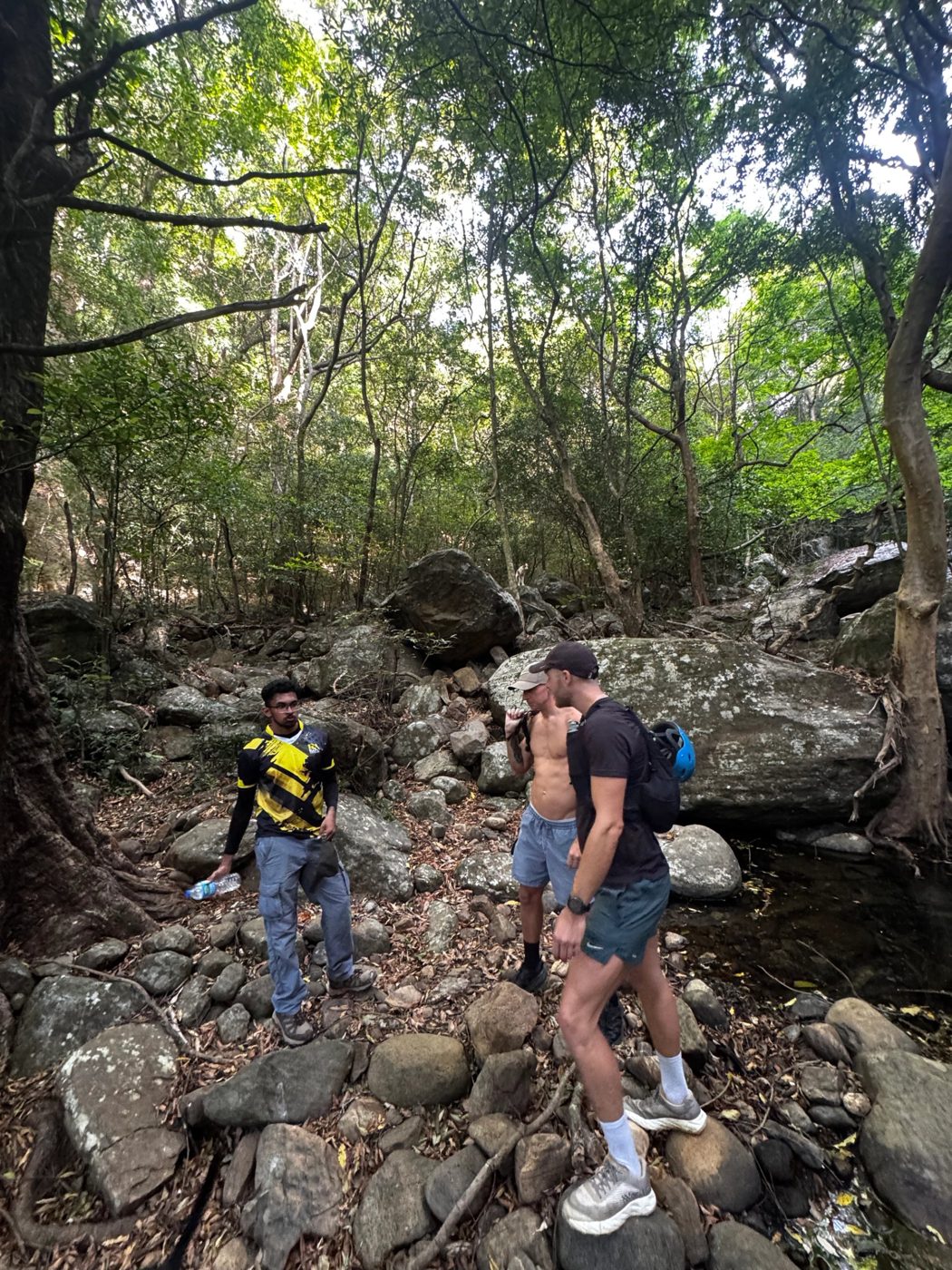
If you get one thing right, make it this. Knuckles trails are a mix of loose stones, tree roots, wet rock and the occasional stream crossing. What you need is grip. Heavy leather boots aren't necessary. A decent pair of trail running shoes or light hiking shoes with a deep tread is perfect.
Two things we see go wrong a lot. People turn up in fashion sneakers with flat soles, which slide on anything damp. Or they buy expensive boots the week before and get blisters on day one. Whatever you wear, walk in it a few times before the trip.
Your feet will probably get wet at some point. That's fine. Just make sure you have a dry pair of socks to change into.
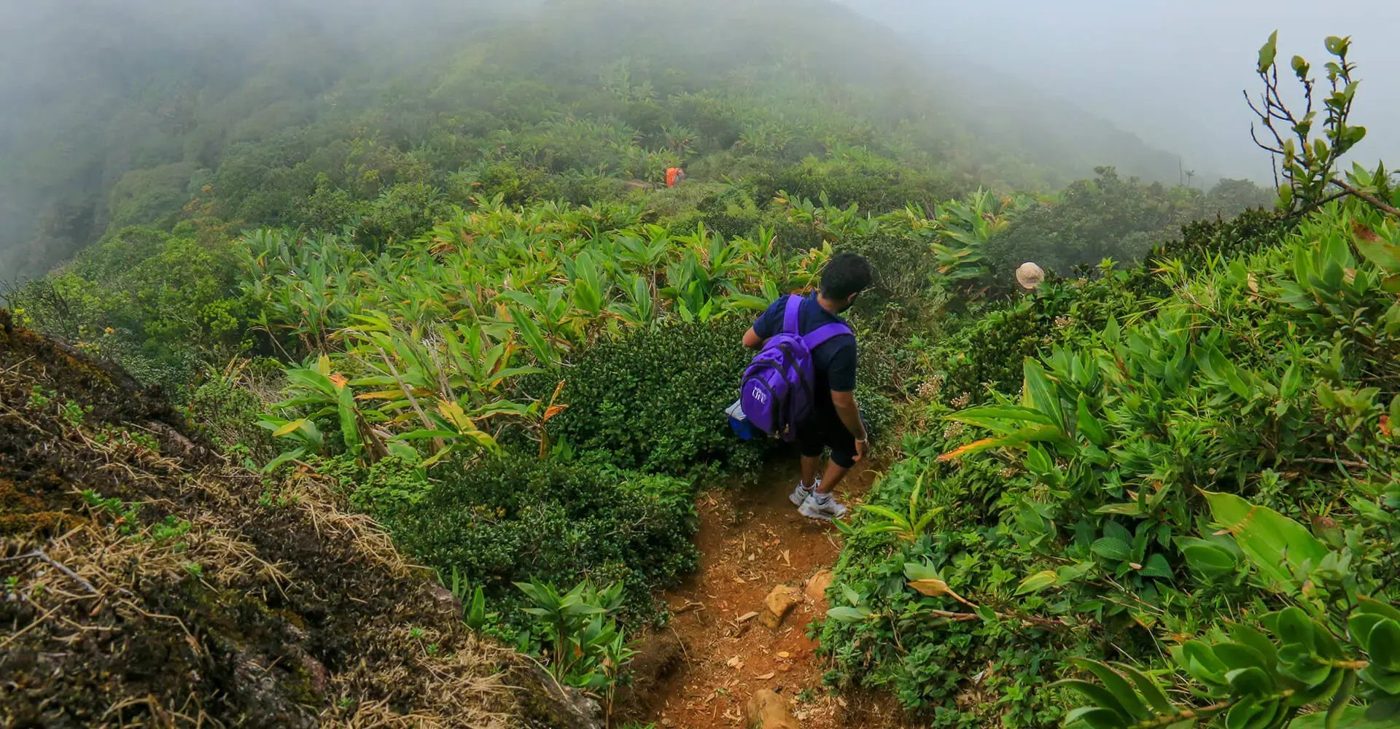
Cotton soaks up sweat and rain and stays wet for hours. Go for quick-dry sports t-shirts instead. They're cheap and they make a huge difference.
For your legs, light long trousers beat shorts here. They help with leeches and sharp grass, and you won't burn in the sun on the open ridges. Leggings work well too. The one thing to leave at home is jeans. They're heavy when they get wet, and they never really dry.
Pack a light rain jacket or poncho whatever month you come. Rain here usually arrives in short, heavy bursts, often in the afternoon. And bring a fleece or warm jacket. Down in Kandy it's hot. On a ridge at 6 am, or at a campsite after dark, it gets genuinely cold, and that surprises a lot of people. (More on this in our month-by-month weather guide.)
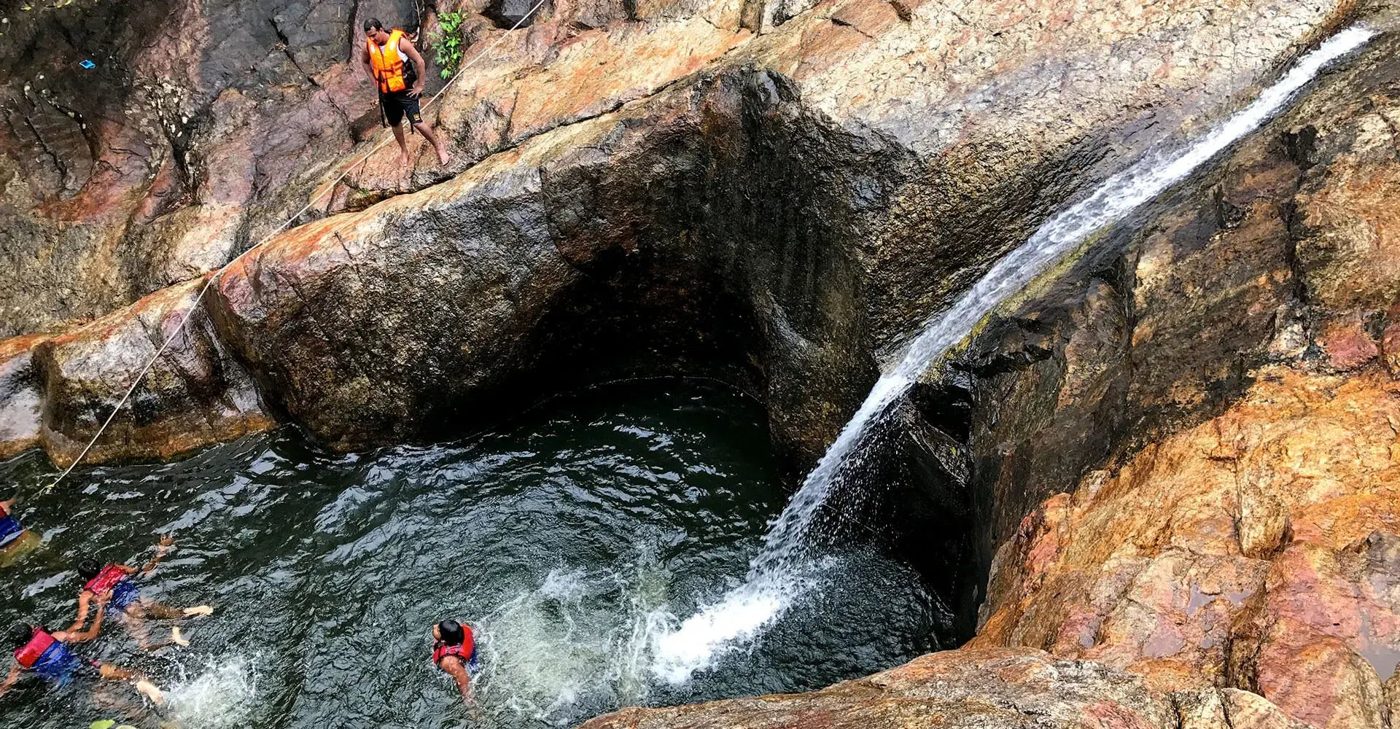
Going to Meemure? Bring swimwear and a small towel. The natural pools and waterfalls are a big part of the trip.
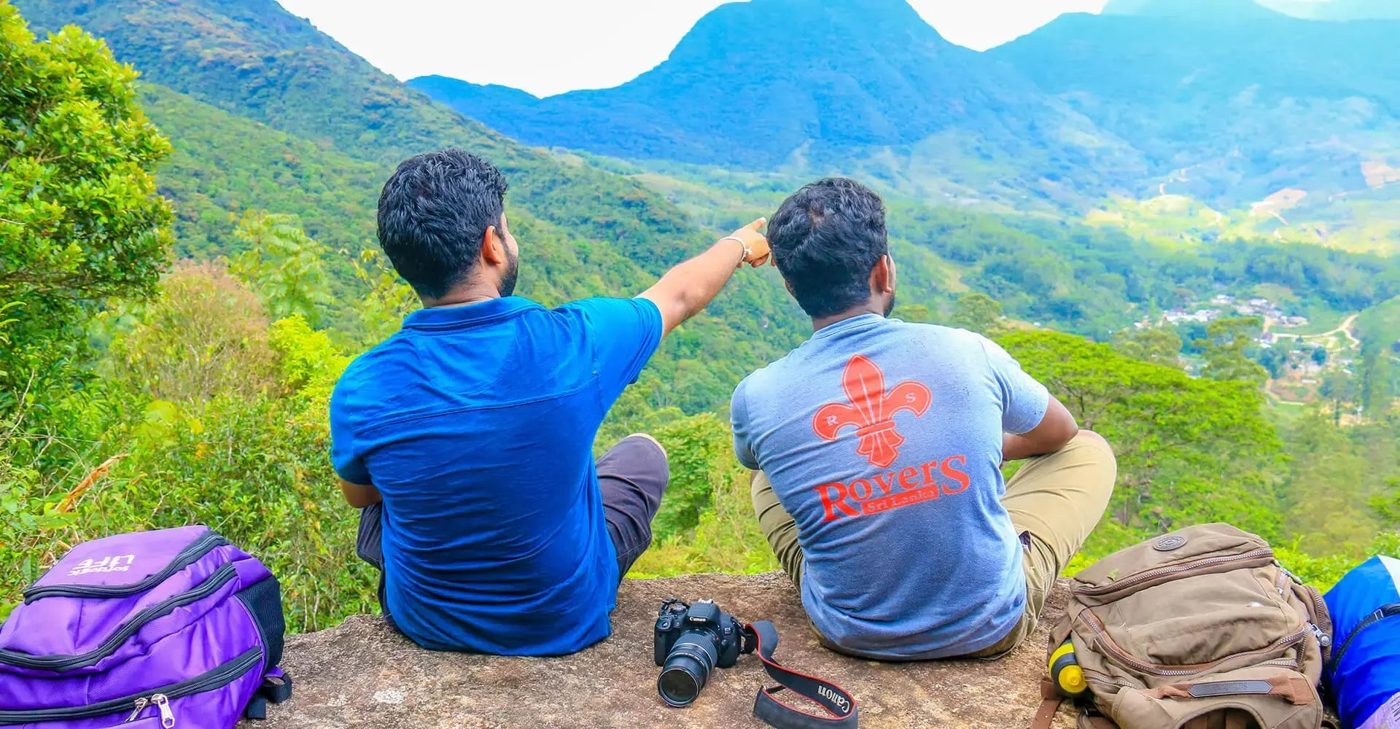
A 20 to 30 litre backpack is plenty for a day hike. Anything bigger and you'll just fill it with things you don't need.
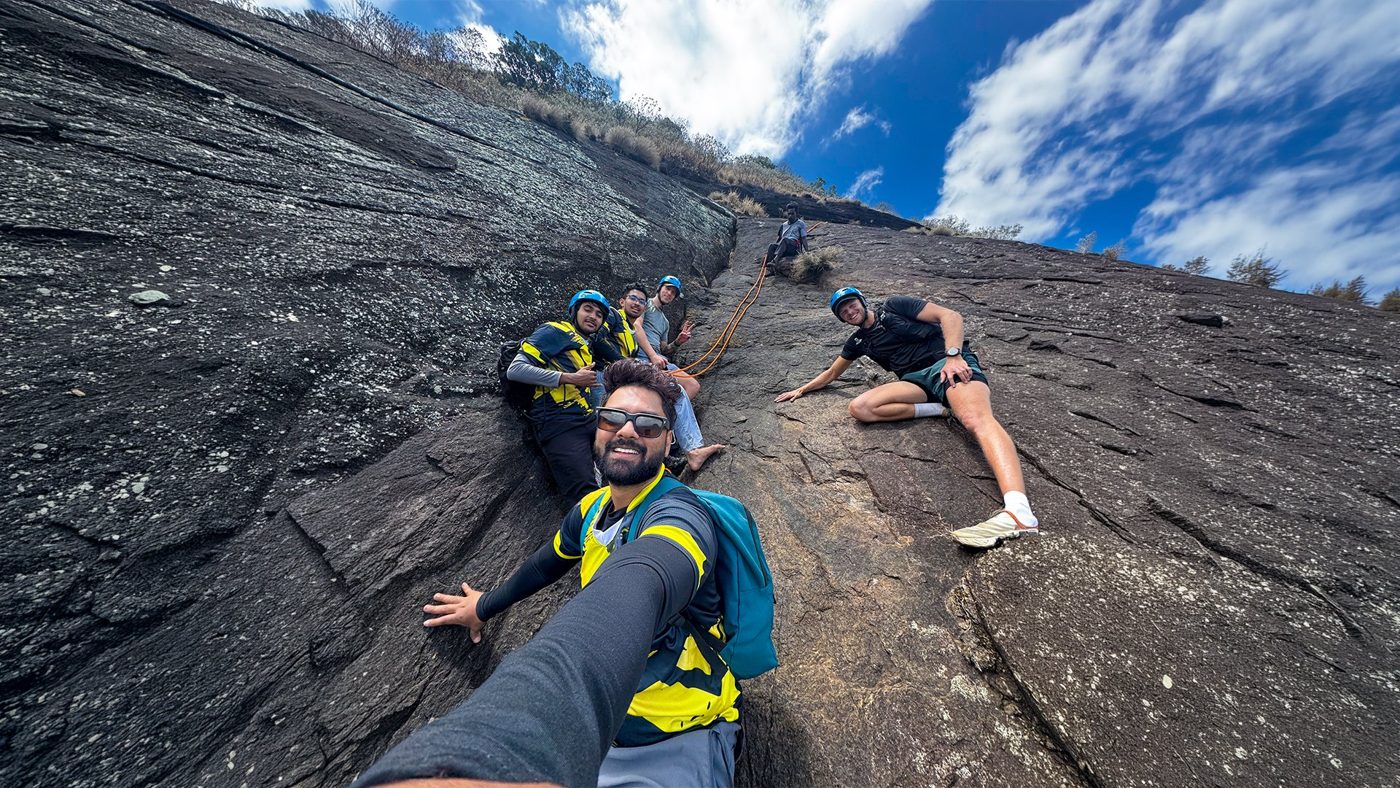
On some trails you'll be scrambling up rock, and on Lakegala it turns into real climbing. You'll want both hands free, and a heavy, swinging bag pulls you off balance. Use the waist strap if your pack has one, and keep the heavy things, like your water, close to your back.
Water: we provide bottled water, but bring your own refillable bottle as well, and plan on about two litres for a full day. In the dry months, some of the streams you might expect to refill from dry up completely.
Phone: put it in a zip-lock bag or a small dry bag. Even a short shower can soak the inside of a "water-resistant" backpack. A power bank is worth bringing too, because between photos and patchy signal, batteries drain fast in the mountains.
Okay, the part everyone scrolls down for.
Yes, there are leeches in the Knuckles. No, they're not dangerous. They live in damp leaf litter along the forest trails, and they're most active after rain, so from around October to January, and in May and June on the western side. Even in the dry season, one heavy shower can wake them up for a day.
A leech bite doesn't hurt. You usually don't feel a thing. The first sign is a small bloodstain on your sock. It may keep bleeding for a while after the leech drops off, because leeches release a substance that stops your blood clotting. That's normal and it stops on its own.
If a bite gets red, swollen or painful after a couple of days, show it to a pharmacist or doctor, the same as any other cut that isn't healing.
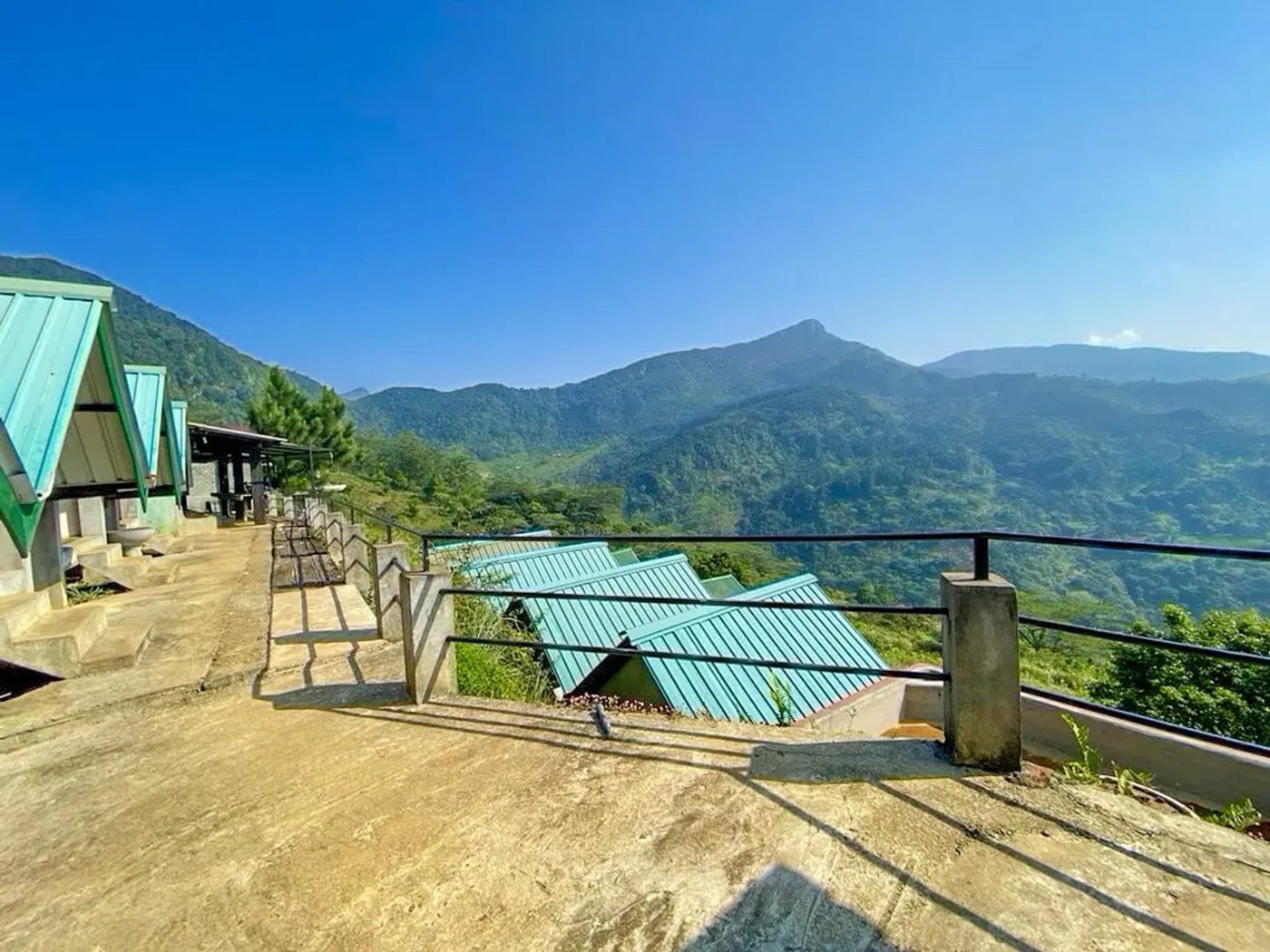
On our two-day and three-day treks, and on camping trips to Meemure, the tents, sleeping bags, campsite and meals are all taken care of. What you need to add is mostly about staying warm and dry at night.
Bring a headtorch, not just your phone light. Bring a full set of clothes to sleep in that stays dry in a bag all day, no matter what. Warm socks and a beanie make a big difference at night. And bring a small toiletry kit, insect repellent for the evenings, and any snacks you like to have at camp.
You don't need to bring a sleeping bag or mat. We provide the sleeping arrangements on every overnight trip.
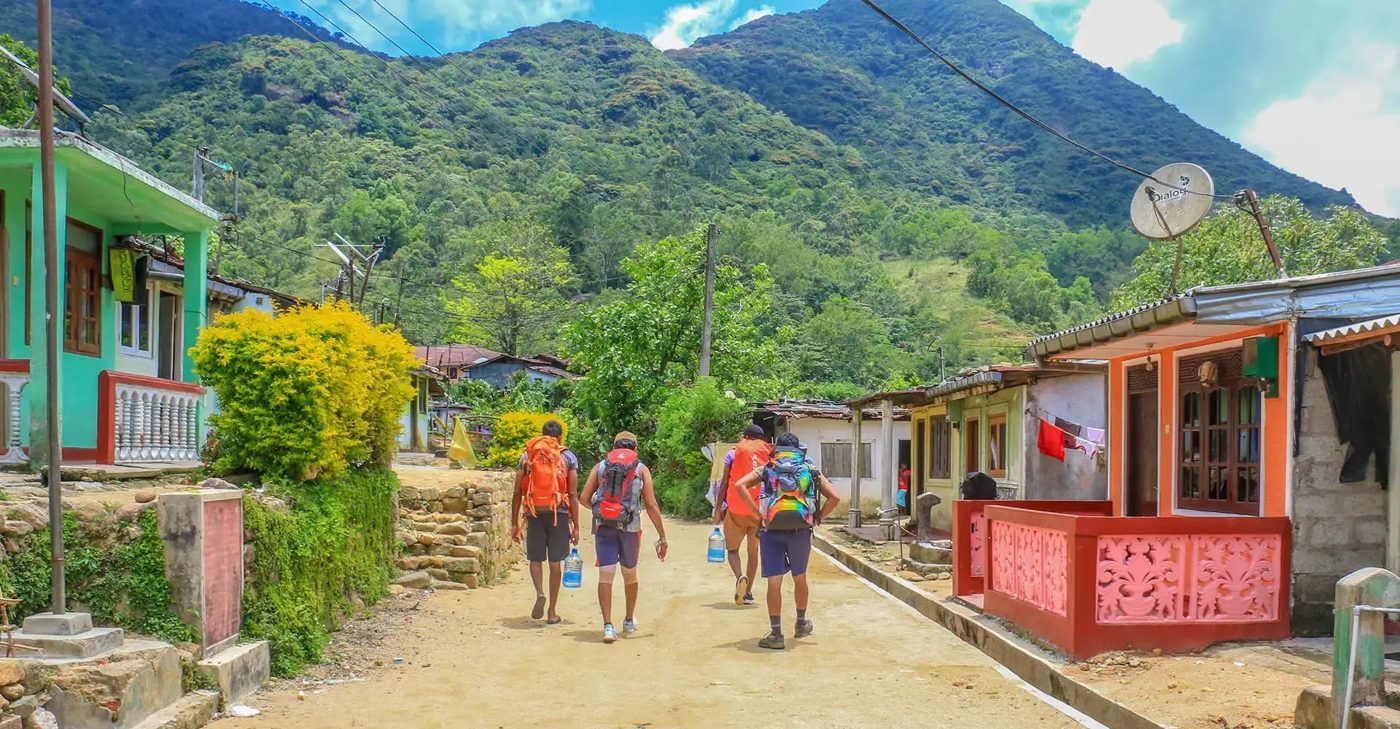
Once you're past the last big town, there are no ATMs. If you're heading into Meemure, the last proper stop is Hunnasgiriya. Bring cash in small notes for snacks, a king coconut on the way, or a tip for your guide.
Phone signal comes and goes. Download offline maps, save your booking details and our number, and let someone at home know you might be unreachable for a while.
You'll pass through small villages where people live quiet, traditional lives. Keep a t-shirt handy to cover up if you've been swimming, ask before taking photos of people, and keep the noise down. A smile and an "ayubowan" go a long way.
For the rules on permits, guides and responsible trekking, see our guide to trekking responsibly in the Knuckles.
Tell us which trip you're doing and when. We'll send you a packing list for that exact trail and season.
Trail running shoes or light hiking shoes with a deep, grippy tread. You don't need heavy boots. Just avoid flat-soled sneakers and shoes you've never worn before.
From May to January, or any time after heavy rain, they're the single most useful thing you can pack. In a dry spell in February or March you can often get away with long socks and trousers tucked in.
Slide a fingernail under the small end (the mouth), then the big end, and flick it away. Or put a few drops of antiseptic like Dettol, or a pinch of salt, on it and it will let go. Don't pull it or burn it.
Around two litres for a full day hike. We provide bottled water on our hikes, but bring a refillable bottle as well, especially in the dry season when streams can dry up.
During the day it's usually warm. On the ridges early in the morning, and at campsites at night, it gets cold enough to need a fleece or jacket, especially from December to February.
Sources: packing and safety advice from the Rapid Adventures Meemure camping and Lakegala hike guide pages, and the inclusions on our own tour pages. Photos by Rapid Adventures.