

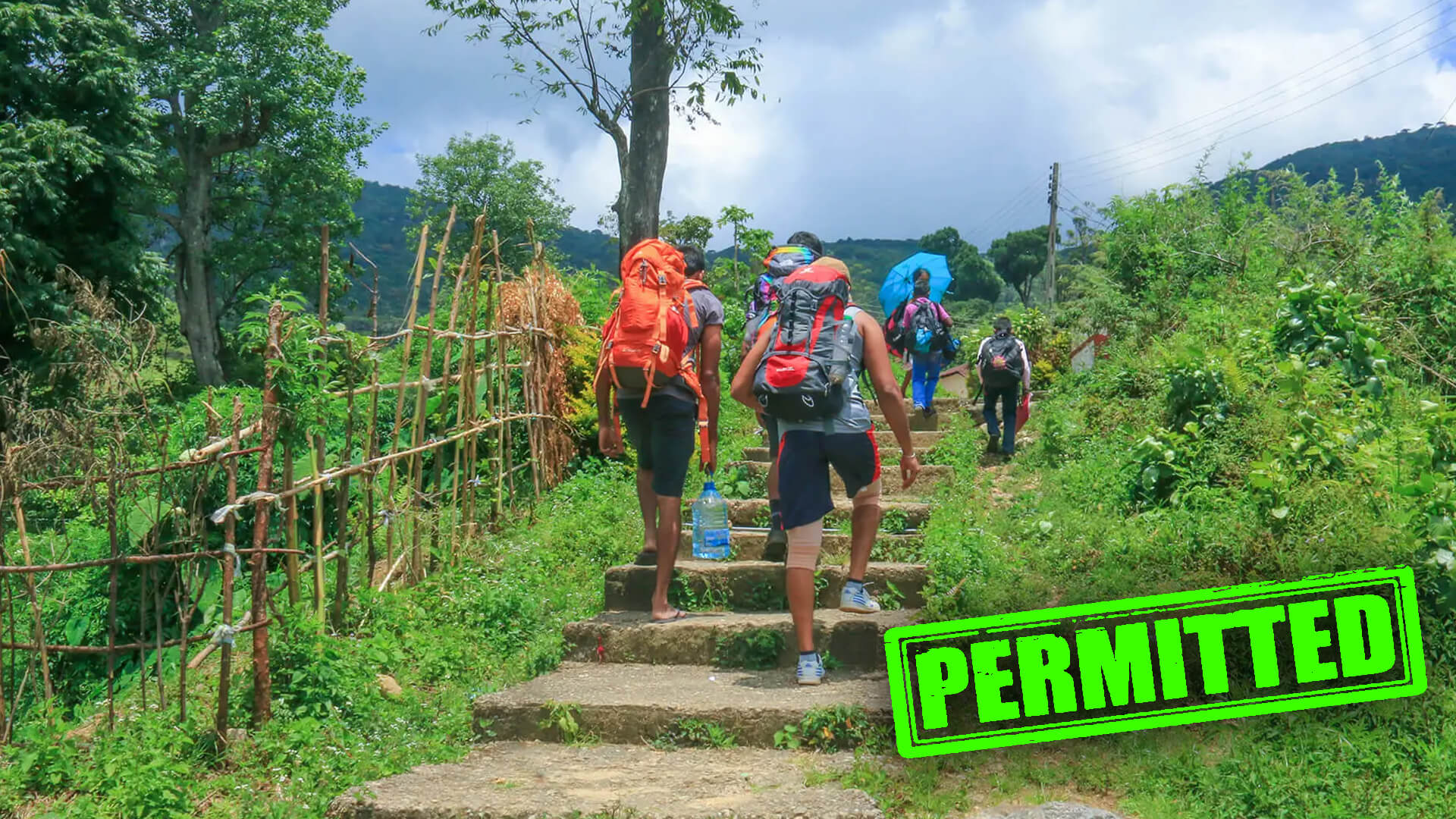
The dynamic and often unpredictable climate of the Knuckles Mountain Range requires careful logistical planning.
The Optimal Season for trekking is the drier period, typically from January to March. During these months, trails are safer, water crossings are easier, and viewpoints are generally clear. The period from February to May is often highlighted as the most beautiful time for viewing the range. The range is impacted by two distinct periods of heavy rainfall—the monsoon seasons, generally spanning April–June and October–December—which cause trails to become slippery and significantly increase the risk profile of hiking. While trekking is possible year-round, strong winds characterize the dry season from June to October, and high rainfall defines the November to January period.
| Season | Months | Primary Conditions | Hiking Suitability |
|---|---|---|---|
| Optimal Dry Season | January – March | Drier, clear views, lowest risk. | Highly Favorable |
| Beautiful/Transition Period | February – May | Peak natural beauty, transitional rainfall likely. | Favorable to Challenging |
| Windy/Dry Season | June – October | Dry conditions, but strong winds are common. | Good (with wind preparation) |
| Wet Season | October – January | High rainfall, heavy mist, slippery trails. | Challenging/High Risk |
Compliance with local environmental laws is non-negotiable for visitors to the Knuckles Conservation Forest, a protected area. Official policy from the Forest Department of Sri Lanka enforces strict requirements for trekking under the Fauna and Flora Ordinance. Access to certain protected areas requires two mandatory components:
An entrance permit: This costs between 1,000 and 2,500 LKR per person, varying based on the specific trail chosen.
A registered guide: A certified local guide is required for protected areas within the range.
For international visitors, the necessary entrance tickets, guide fees, and associated taxes are often bundled into comprehensive packages. For foreign adults, a full-day guided trek typically costs around $120 USD, while half-day packages range from $70 to $80 USD.
It is important to understand that independent attempts to acquire permits can be challenging; for instance, the small permit offices (e.g., near the 5 Peaks trek or in Digna) may be closed upon arrival. Proceeding without the legally required registered guide and permit is a violation of the conservation mandates. The most effective way to ensure legal access, guarantee adherence to all conservation regulations, and mitigate logistical risks is by booking a professional, organized tour package that includes the mandatory guide and all necessary documentation.
The Knuckles environment demands rigorous preparation, especially given the likelihood of sudden temperature drops, rain, and biological hazards such as leeches.
Footwear and Hydration: Sturdy hiking boots or specialized mountain shoes with excellent grip are essential. Hydration is critical for moderate to challenging trails; visitors must carry at least two liters of water, along with energy-dense snacks.
Clothing: A layered clothing approach is necessary to manage shifting temperatures. Recommended items include quick-drying shirts and tops, long pants, a quick-drying small towel, and warm clothes (a thick sweater or jacket) for the evening chill at higher altitudes. Swimwear is recommended for waterfall pool access.
Weather and Hazard Protection: Given the certainty of unpredictable rain, a waterproof backpack and a high-quality rain jacket are mandatory. Leeches are common, particularly during the wetter months. Specialized leech socks, along with mosquito spray or DEET, are indispensable gear. A small torch is also recommended for private use at night.
Safety in the Knuckles is directly linked to adherence to structured guidance and conservation principles. Hikers must always obey the instructions of the trekking guide, who is trained in navigation and emergency procedures. It is a recommended safety practice to inform local accommodation staff or a friend of the trekking plan and expected return time.
The ethics of visiting a UNESCO World Heritage site are codified in the Fauna and Flora Ordinance. Visitors are strictly prohibited from harming any fauna or flora, and they must not pluck small plants or fraudulently remove any species. Respecting wildlife is paramount: maintain a significant distance from animals, do not obstruct their path, and avoid making loud noises like shouting or singing, as this hinders the wildlife in their natural territory.
Furthermore, all visitors must abide by the seven principles of Leave No Trace:
In an emergency, the primary resource is the registered guide, who maintains contact with local authorities, including the Range Forest Office—Knuckles.
Ecotourism initiatives within the Knuckles area play a significant role in providing economic sustenance for the rural, forest-dwelling communities, such as Meemure, positioning local inhabitants as active custodians of their natural treasures. Revenue generated through responsible tourism has been critical in funding necessary infrastructural development, including improvements to basic amenities, water supply, and the completion of the 9-mile motorable road to Meemure in 2022.
The economic success derived from ecotourism income directly correlates with increased local satisfaction and well-being. However, the increased accessibility provided by new infrastructure, while economically vital, must be carefully managed to prevent overwhelming the sensitive ecosystem and undermining the unique cultural isolation of these villages.
Responsible tour operators address this delicate balance by committing to small group sizes (e.g., maximum 8 guests for certain walks), ensuring that environmental stewardship and cultural preservation remain the highest priorities. By choosing guided, ethical packages, travelers directly contribute to a holistic model of sustainable development that mitigates potential adverse situations and fosters enduring community prosperity alongside environmental conservation.
The Knuckles Mountain Range is not merely a hiking destination but a UNESCO-recognized climatic microcosm and a critical ecological engine for Sri Lanka. Its dense endemism and profound historical heritage require a careful, ethical approach to visitation.
For the purposes of a website offering specialized hiking packages, the three articles above comprehensively establish the necessary authority and descriptive detail. They simultaneously create a powerful rationale for utilizing guided services:
The recommendation is to position all hiking packages as the definitive, legally compliant, and ecologically responsible method of exploring Dumbara Kanduvetiya. These articles should be deployed to educate potential visitors, turning the complexity and regulatory mandates of the range into unique selling points for guided, expert-led adventures.